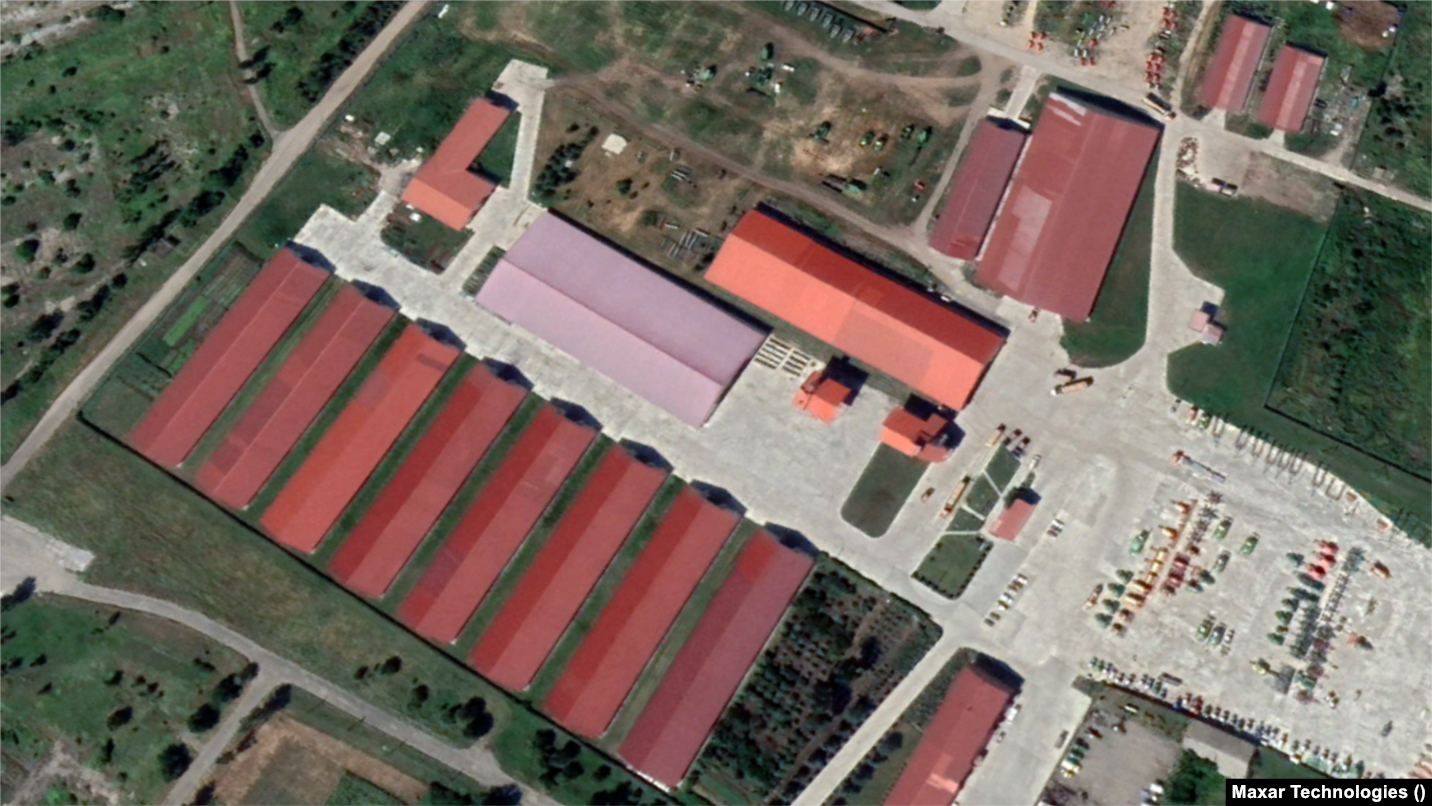
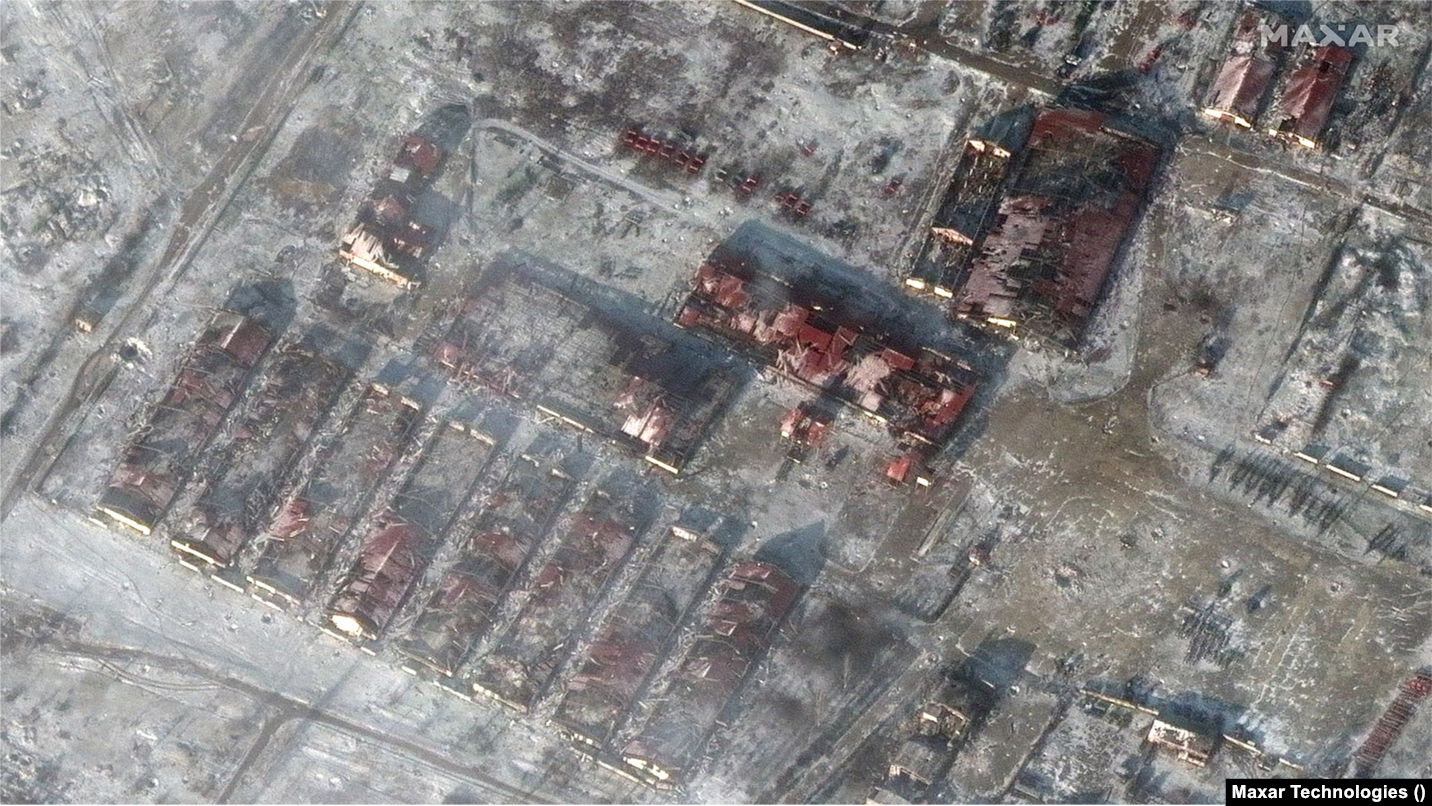
Please take a brief moment to consider the two contrasting images below.
They show Yakovlivka, a village in the Donetsk region near Soledar, was captured by Russia in December 2022. This satellite image highlights the destruction of its residential buildings and a big agricultural facility by shelling in the war of aggression by Russia.
With these images in mind, let’s turn to Ezekiel’s message. The time was 592 BC and the prophet proclaimed the utter devastation of human life in Jerusalem that would take place in 587.
The opposing army was so overwhelming that the population was paralyzed with fear.
They have blown the horn and made everything ready,
but no one goes to battle,
for my wrath is upon all their multitude. (Ezekiel 7.14)
It is estimated that the war between Russia and Ukraine has resulted in over a million casualties. A historian recently shared that during his last visit to Ukraine, he was struck by the fact that every person he spoke with personally knew someone who had been killed in the war.
This situation mirrors the events of 587 BCE in Jerusalem, where the widespread loss of life affected every citizen in a similarly personal way.
The sword is outside, pestilence and famine are inside;
those in the field die by the sword;
those in the city—famine and pestilence devour them.
If any survivors escape,
they shall be found on the mountains
like doves of the valleys,
all of them moaning over their iniquity. (Ezekiel 7.15-16)
Greed and acquisitiveness are attitudes that God strongly opposes because they inevitably lead to the exploitation and harm of those who are less powerful. On the day of judgment, the possessions we have gained through greed will be of no value.
As Scripture teaches, you cannot eat your silver and gold—they will not sustain you when it truly matters.
They shall fling their silver into the streets,
their gold shall be treated as unclean.
Their silver and gold cannot save them
on the day of the wrath of the Lord.
They shall not satisfy their hunger
or fill their stomachs with it,
for it was the stumbling block of their iniquity. (Ezekiel 7.19)
Earlier in Israel’s history, King Manasseh placed an image of the Canaanite goddess Asherah in the temple in Jerusalem. It is possible that the next verses refer to Manasseh’s actions.
From their beautiful ornament, in which they took pride,
they made their abominable images, their detestable things;
therefore I will make it an unclean thing to them.
I will hand it over to strangers as plunder,
to the wicked of the earth as spoil;
they shall profane it.
I will avert my face from them,
so that they may profane my treasured place;
the violent shall enter it,
they shall profane it. (Ezekiel 7.20-22)
Whether or not this interpretation aligns with what Ezekiel intended, the connection between the worship of money and power remains a serious issue for God’s people.
While Job declared his innocence from materialism, he also highlighted that materialistic attitudes and actions are iniquities that betray our relationship with God. He emphasized that placing trust in wealth or being enticed by material things is a form of idolatry, distancing us from genuine faithfulness to God.
If I have made gold my trust,
or called fine gold my confidence;
if I have rejoiced because my wealth was great,
or because my hand had gotten much;
If I have looked at the sun when it shone,
or the moon moving in splendor,
and my heart has been secretly enticed,
and my mouth has kissed my hand;
This also would be an iniquity to be punished by the judges,
for I should have been false to God above (Job 31:24-28).
In 597 BC, the Babylonians carried out the first exile of citizens from Jerusalem. Among those deported was Ezekiel, along with the king, his officials, priests from the temple, and other influential individuals.
By 592 BCE, God, speaking through Ezekiel, declared that these exiled individuals—who had once exploited the system for their own gain—would no longer be able to rely on their power or influence to maintain their prosperity.
I will bring the worst of the nations
to take possession of their houses.
I will put an end to the arrogance of the strong,
and their holy places shall be profaned.
When anguish comes, they will seek peace,
but there shall be none. (Ezekiel 7.24-25)
Reflections
We can be assured that God took no pleasure in giving Ezekiel the message of doom to deliver to the exiles in Babylon regarding their loved ones who remained in Jerusalem.
God does not delight in bringing judgment upon His people. His purpose in speaking these words is to call them to repentance.
In our present time, we would be wise to hear these words and respond with the appropriate repentance as well.
YouTube Discussion
Rudy Ross, Bruce Kirby, and I discussed this passage on YouTube today. It can be found on the Bob Spradling channel.
 Real Voices